Home  >  News  >  Company News

News

Compostable Takeaway Boxes for Restaurants: Building a Complete Paper Packaging System

8/6, 2026

Compostable Takeaway Boxes for Restaurants: Building a Complete Paper Packaging System

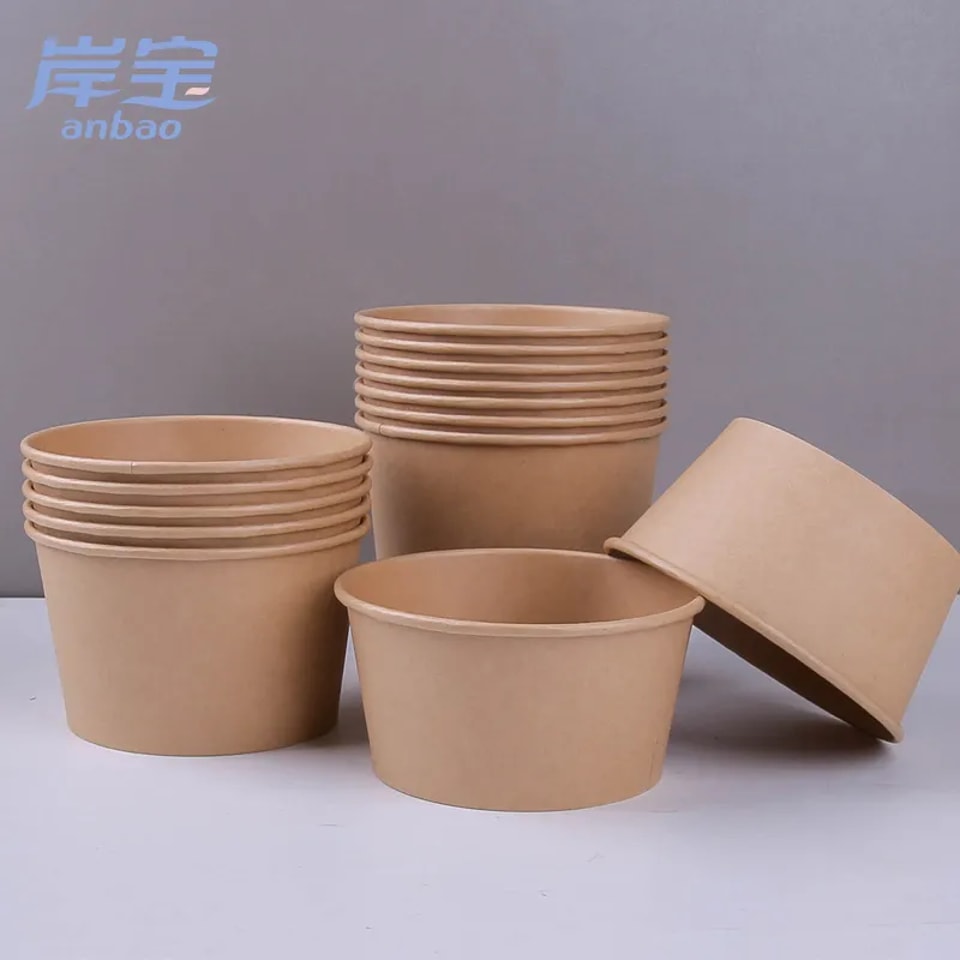
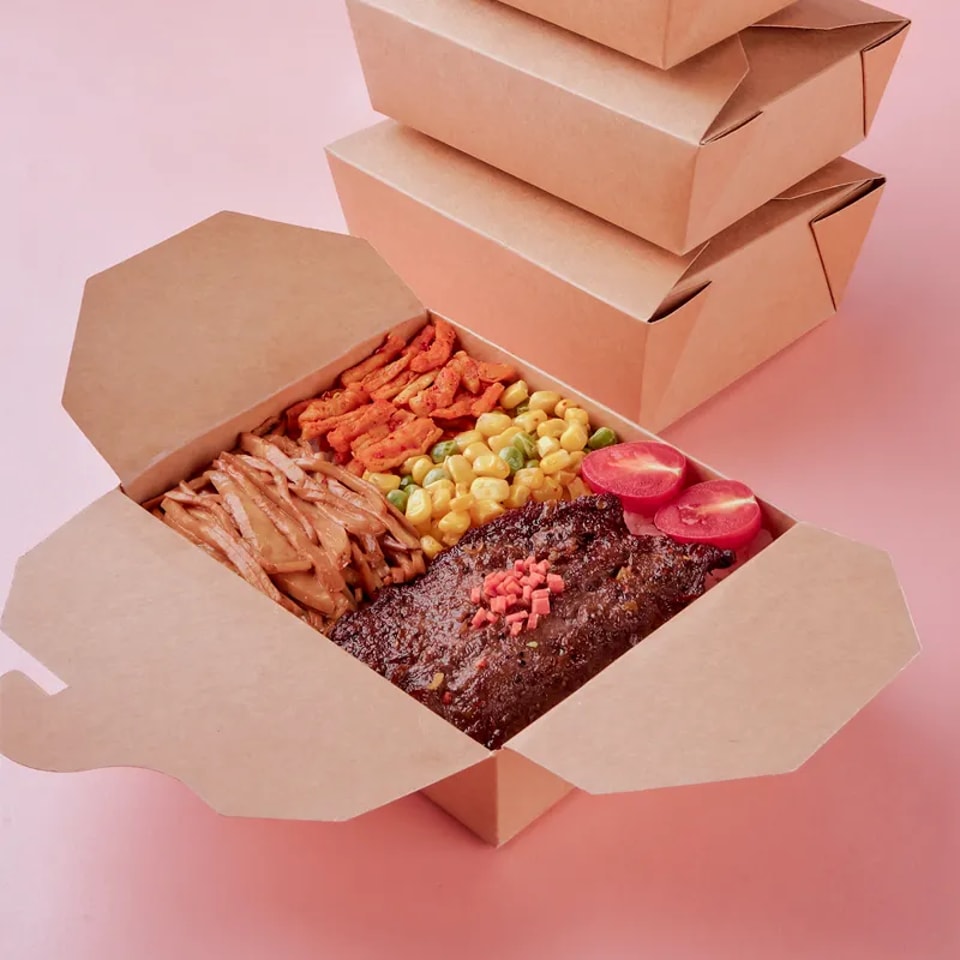
Restaurants, cafés and quick-service chains are under growing pressure to reduce plastic usage and improve the sustainability of their takeaway and delivery packaging. Many operators are moving from traditional plastic clamshells and foam containers to compostable takeaway boxes that better align with customer expectations and regulatory trends. However, simply replacing one box with another is not enough. For most restaurants, the real challenge is to build a complete packaging system: a coherent set of compostable takeaway boxes, bowls and accessories that work across different menus, service formats and channels. Anbao Environmental, a manufacturer of disposable paper cups, paper bowls and paper food containers, offers a broad range of paper packaging that can be combined into such systems for restaurants and takeaway brands. Why Compostable Takeaway Boxes Are Gaining Ground Compostable takeaway boxes have become more visible in foodservice because they address both regulatory and market demands. Governments in many regions are restricting single-use plastics, while eco-friendly to-go containers made from paper, bagasse and other plant-based materials are promoted as greener alternatives. From the customer’s perspective, compostable takeaway boxes send a clear signal that the restaurant takes environmental responsibility seriously. Eco-friendly boxes are marketed as suitable for hot and cold food, resistant to oil and moisture, and compatible with modern delivery habits. By choosing compostable boxes, restaurants reduce reliance on foam and mixed-plastic containers that are difficult to recycle and often end up in landfill. Thinking in Systems: Beyond a Single Box For restaurants, building a packaging system means thinking beyond individual SKUs. A typical operation may need boxes and bowls for main courses, side dishes, soups, desserts and sauces. If each item uses a different material or visual style, the result can be operational complexity and a fragmented brand image. Compostable takeaway boxes for restaurants work best when combined into a coordinated system: similar materials, consistent branding and sizes that stack efficiently and cover the menu without excess SKUs. Anbao’s product catalog presents paper cups, paper bowls and paper food containers designed for catering, takeaway, household and supermarket scenarios, giving restaurants a broad base for system design. Core Elements of a Compostable Packaging System Main dish boxes Main dish boxes handle the bulk of hot meals, such as rice plates, noodle dishes and grilled or fried mains. Many eco-friendly suppliers offer bagasse or paper-based boxes designed for hot and cold food, with sizes that balance capacity and portion control. Paper-based main dish boxes often use sturdy board with grease-resistant coatings or internal liners, allowing them to hold sauced dishes without leaking. These boxes are commonly rectangular or clamshell-shaped to stack efficiently in delivery bags and on shelves. Bowls for soups and salads Soups, curries and salads require containers with different geometry. Round bowls with secure lids are widely used for liquid-rich dishes and fresh salads, especially in delivery and takeaway contexts. Compostable salad and menu boxes made from sugarcane or coated paper are designed to be greaseproof and leak-resistant while remaining suitable for hot and cold dishes. Anbao’s paper bowl & container series includes round paper bowls and other forms suitable for soups, salads, noodles and rice dishes, allowing restaurants to integrate these items into their compostable takeaway packaging mix. Small containers for sides and sauces Small containers are essential for sauces, dressings, dips and side items. Many eco-friendly ranges include mini boxes, sauce cups and snack containers made from paper or bagasse, designed to complement larger boxes and bowls. A coherent compostable system ensures that these smaller containers share similar materials, colors and branding with main boxes and bowls, avoiding the common problem of mixing “green-looking” main boxes with conventional plastic sauce cups. How Anbao Supports Compostable Takeaway Solutions Paper bowls and container series for restaurant menus Anbao’s paper bowl & container series covers round paper bowls, rectangular bowls, square bowls, paper food containers and soup bowls designed for foodservice and takeaway packaging. These products include options for fast food, bento, fruit salads and soups, giving restaurants flexibility to match packaging types to specific menu items while using a consistent material family. For restaurants that want to move towards compostable takeaway boxes for main dishes, pairing round paper bowls with suitable paper containers allows menus to be covered systematically. Operators can choose bowl sizes according to dish volume, then match them with boxes for drier or more structured meals, creating a full matrix of options for different categories. Integration with paper cups and other packaging Anbao is not limited to food boxes and bowls; the company also produces disposable paper cups for hot and cold beverages, including single wall, double wall and ripple cups. This enables restaurants and café chains to harmonize drink and food packaging using consistent materials, colors and printing. For example, a restaurant could adopt paper cups for hot drinks, round paper bowls for soups and salads, and paper food containers for main dishes—all sourced from the same supplier. Menu-Driven Design: Matching Boxes to Dishes Dry and semi-dry dishes Dry or semi-dry dishes such as fried rice, stir-fried noodles and grilled meats fit well in rectangular or clamshell boxes that prevent movement while allowing some ventilation. Many bagasse or paper-based takeaway boxes are designed with compartment options, enabling main and side items to be separated while remaining within a single container. When sourcing from suppliers like Anbao, operators can select paper food containers sized to portion standards, ensuring that each box is appropriate for the weight and volume of typical menu items. Soups, curries and broths Liquid-rich dishes demand containers with higher walls and secure lids. Round paper bowls are commonly used for this purpose, with greaseproof and leak-resistant constructions that hold up under hot conditions. Compostable menu boxes and bowls in the broader market demonstrate how sugarcane and coated paper solutions can function as leakproof, heat-tolerant containers for soups and sauces. Anbao’s round paper bowls are designed for takeaway soups and other hot dishes, providing restaurants with a paper-based option for integrating liquid-rich meals into their compostable packaging system. Salads and cold dishes Salads and cold dishes often benefit from containers with clear lids or window options to showcase fresh ingredients. Some eco-friendly ranges highlight kraft boxes with windows and compostable salad bowls with bioplastic linings. The goal is to keep contents visible while maintaining performance in terms of leak resistance and stacking. By choosing paper bowls and containers that align with these market trends, restaurants can serve salads and cold dishes in packaging that feels premium and sustainable, while still integrating with their overall compostable takeaway box strategy. Operational Considerations: Stacking, Transport and Storage Stacking and bagging for delivery Eco-friendly takeaway containers are promoted as leakproof and sturdy enough for delivery, but performance varies among suppliers. Boxes and bowls must stack safely without collapsing, and lids should stay secure in delivery bags under typical handling. Suppliers that design packaging specifically for foodservice and delivery, like Anbao, take these factors into account by offering bowls and containers with compatible lid systems and shapes that nest efficiently. Storage and shelf management Compostable takeaway boxes and paper bowls must also store efficiently in back-of-house environments. Flat-packed boxes and nested bowls reduce storage space and make it easier for staff to access the right containers during rush periods. Restaurants should work with suppliers to choose sizes and formats that balance menu coverage with storage constraints, avoiding excessive duplication or rarely used SKUs. Branding and Sustainability Messaging on Compostable Boxes Compostable takeaway boxes do more than carry food; they communicate the restaurant’s brand and sustainability values. Many suppliers emphasize that compostable boxes can be printed with logos, slogans and eco-messages, helping businesses highlight their commitment to greener packaging. Anbao’s experience with custom-printed paper cups, bowls and containers allows restaurants to apply consistent designs across drink and food packaging, strengthening the visual impact of their sustainability efforts. Restaurants can use this branding space to highlight sustainability commitments, share QR codes for menus or loyalty programs and reinforce brand identity through color, typography and icons. When compostable takeaway boxes and paper bowls share a unified visual language, every takeaway order becomes a branded, sustainability-focused touchpoint. Building a Roadmap for Transitioning to Compostable Takeaway Boxes Audit current packaging: Identify which items are still using plastic or foam and categorize them by menu use and volume. Prioritize high-impact items: Focus first on high-volume SKUs, such as main dish boxes and soup bowls, where switching to compostable options delivers the greatest sustainability visibility. Select a core set of compostable boxes and bowls: Work with a supplier like Anbao to define a core range of paper bowls and containers that cover the main menu categories while minimizing SKU count. Test in real operations: Run pilot tests across dine-in takeaway, delivery and catering channels, monitoring performance and customer feedback. Phase out legacy packaging: As confidence grows, phase out remaining plastic or foam containers and bring all channels under the compostable packaging umbrella. Conclusion: Turning Compostable Takeaway Boxes into a System Advantage For restaurants, adopting compostable takeaway boxes is not just a regulatory or marketing response; it is an opportunity to rethink packaging as a coherent system that supports operations, branding and sustainability. By building a complete set of compostable takeaway boxes, bowls and containers, operators can serve hot and cold dishes consistently across dine-in takeaway, delivery and catering channels. Anbao’s portfolio of paper bowls and paper food containers, presented through its paper bowl & container series and related product information, illustrates how a single manufacturer can help restaurants assemble this system, from soup bowls to main dish boxes, aligned with the broader shift toward eco-friendly takeaway solutions. For restaurants ready to move beyond isolated box replacements, using these resources creates a practical path from conceptual sustainability goals to an operational compostable packaging system.
How to Choose a 12oz Single Wall Kraft Paper Coffee Cup Manufacturer for Cafés and Chains

8/6, 2026

How to Choose a 12oz Single Wall Kraft Paper Coffee Cup Manufacturer for Cafés and Chains

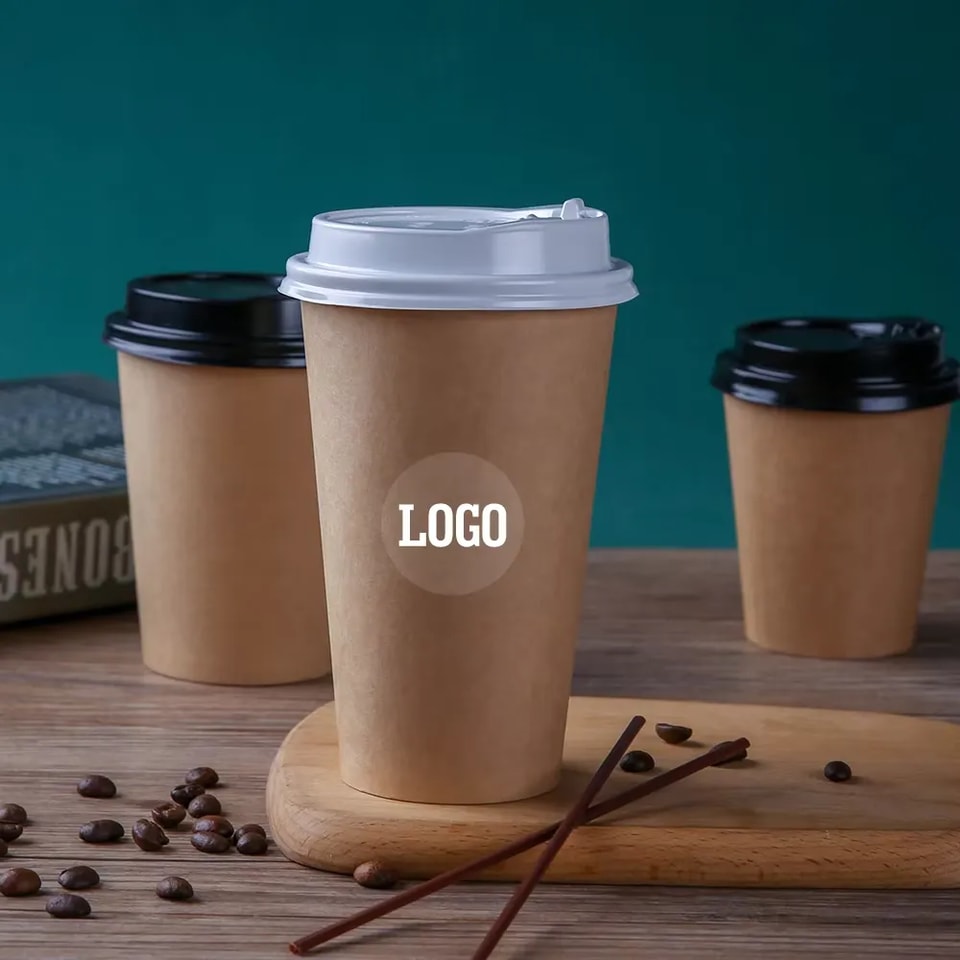
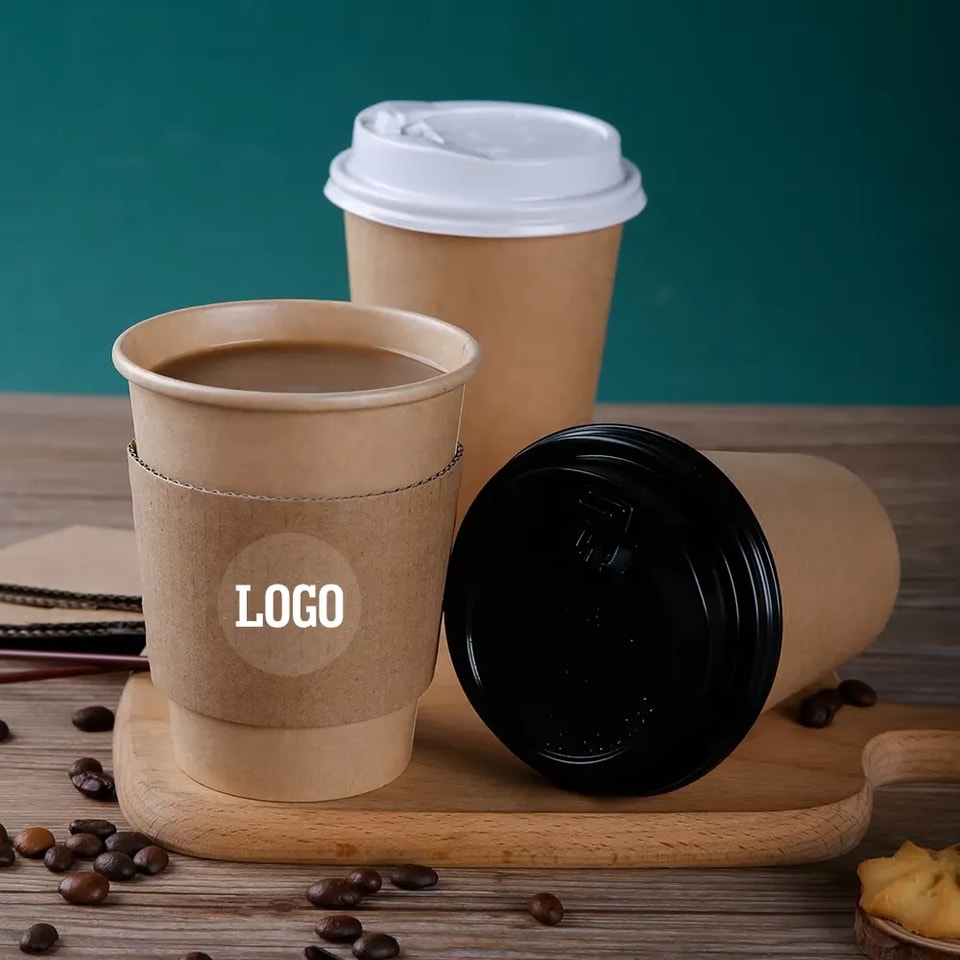
For many cafés, coffee chains and beverage-focused restaurants, the 12oz size is a core takeaway volume for hot drinks such as long black, latte and flat white. In this segment, 12oz single wall kraft paper coffee cups strike a balance between capacity, cost and brand presentation, making them a popular choice for both independent shops and multi-store operators. Selecting the right 12oz single wall kraft paper coffee cup manufacturer requires more than comparing prices. Procurement teams must understand cup construction, coating options, branding requirements and how the manufacturer fits into a broader packaging strategy. Anbao Environmental, a producer of disposable paper cups, paper bowls and food containers, offers single-wall kraft paper cups with low-MOQ custom logo options, illustrating how a manufacturer can support 12oz-focused programs for cafés and chains. Why 12oz Kraft Cups Matter for Cafés and Chains In many coffee and foodservice operations, 12oz is a practical "middle" size: large enough for standard hot coffees, but not as bulky as larger takeaway cups. Industry offerings from multiple brands show 12oz kraft single wall cups used as go-to packaging for hot drinks in cafés, food trucks and bakeries, often alongside 8oz and 16oz sizes. Kraft paper gives these cups a natural, earthy appearance that aligns with eco-conscious branding. Brown kraft surfaces are often used as a "blank canvas" for minimalist logos, stamps or stickers, helping cafés convey a simple, sustainable aesthetic. For chains, standardizing on a 12oz kraft cup can simplify SKU management, maintain a consistent look across locations and provide a clear base for branding and sustainability messaging. Understanding 12oz Single Wall Kraft Paper Construction Before choosing a manufacturer, it is important to understand how a 12oz single wall kraft cup is built. Typically, these cups use kraft paperboard as the main structural material, combined with an inner lining to provide a liquid barrier. Kraft paperboard and structure Kraft paperboard offers strength and a distinctive brown appearance. It supports hot beverages by providing adequate stiffness and a surface suitable for printing. In many 12oz kraft cups on the market, dimensions around 90 mm top diameter and roughly 110 mm height are used, giving the cup a comfortable hand-feel and compatibility with standard lids. Because these are single wall cups, there is only one paper layer between the beverage and the customer’s hand, which reduces material use and cost compared with double wall designs but makes paper weight and coating choices especially important. Coatings and inner linings The inner surface of a 12oz single wall kraft cup is usually lined to prevent leaks and maintain structural integrity when filled with hot liquid. Common coatings include PE coating as a widely used barrier for hot drinks, PLA coating as a plant-based bioplastic option for compostable products, and aqueous coating as a water-based barrier designed to reduce plastic content and improve recyclability or compostability potential. Manufacturers such as Anbao provide single wall coffee cups with PE, PLA and aqueous coating options, including variants in kraft substrates. For a 12oz single wall kraft paper coffee cup manufacturer, offering multiple coating choices allows buyers to align packaging with local waste management infrastructure and sustainability commitments. Key Criteria for Choosing a 12oz Single Wall Kraft Paper Coffee Cup Manufacturer Specialization in foodservice paper cups Manufacturers focused on foodservice packaging are more likely to understand the performance demands of hot drinks at 12oz, such as heat resistance, grip comfort, lid fit and stacking behavior. Anbao’s paper cup series, for example, covers single wall, single-wall kraft, double wall, ripple and cold drink cups for foodservice applications. This specialization informs product design choices and helps align 12oz kraft cup performance with café operations. Dedicated kraft series and 12oz coverage A dedicated kraft series gives buyers confidence that the manufacturer has tuned printing processes, coatings and quality control around kraft substrates. Anbao’s single-wall kraft paper coffee cups are designed for coffee, tea and takeaway beverages, with capacities that cover typical café sizes such as 8oz, 12oz and 16oz. A manufacturer with a clearly defined kraft offering can typically provide more consistent color, surface finish and lid compatibility for 12oz cups. Flexible customization and low MOQ options For smaller chains or growing brands, high minimum order quantities can be a barrier. Anbao highlights low-MOQ custom logo kraft cups, enabling operators to begin with modest volumes of 12oz branded cups. Flexibility in MOQ and customization helps test new branding, run limited campaigns and support multi-store operations with tailored artwork, while larger buyers can still scale into high-volume production once designs are validated. Alignment with broader packaging needs A strong 12oz single wall kraft paper coffee cup manufacturer should also support related packaging requirements. Anbao’s catalog includes paper cups, paper bowls and paper food containers, allowing cafés and chains to standardize materials and branding across drink and food packaging. This alignment is especially useful when 12oz kraft cups are part of a larger takeaway program that includes snacks, salads or meal boxes. How Anbao’s Kraft Paper Cup Range Supports 12oz Programs Single-wall kraft paper cup offering Anbao’s single-wall kraft paper coffee cups are designed for coffee, tea and takeaway drink service, using food-service-grade kraft paper and inner coatings suitable for hot beverages. The range supports multiple capacities, so buyers can build a coherent cup lineup around a common kraft design and substrate. In addition to kraft cups, Anbao’s single wall coffee cup series offers PE, PLA and aqueous coatings on white paperboard, giving buyers the option to mix kraft and white cups while maintaining consistent performance characteristics. This combination is useful when 12oz kraft acts as the hero SKU, with other sizes or specific beverage types using alternative designs. Integration with bowls and containers For cafés and chains serving food alongside coffee, Anbao’s packaging ecosystem extends beyond cups. The company supplies round paper bowls, rectangular bowls and paper food containers suitable for salads, rice dishes, soups and takeaway meals. This allows buyers to design 12oz kraft cups for core hot drinks, matching bowls for soups or grain bowls and paper food containers for main dishes or meal kits, all from a single manufacturing partner. Balancing Performance, Branding and Cost at 12oz Performance considerations Single wall kraft cups must maintain structural integrity with hot drinks while offering acceptable hand comfort. Paper weight and coating type are critical: thicker paperboard improves rigidity and heat management but increases material use, while coating choice affects leak resistance and how cups behave under different temperatures and storage conditions. Working with a manufacturer that can adjust these parameters allows buyers to fine-tune performance for specific drink profiles. Branding considerations Kraft surfaces influence how colors appear compared with white paper. Darker inks and simple graphics often work best, while delicate gradients may require careful testing. Manufacturers experienced with kraft substrates can help buyers choose ink colors that maintain contrast on brown backgrounds, layouts that fit 12oz cup geometry and combinations of kraft cups and other packaging where branding remains consistent. Cost and SKU strategy Cost and SKU strategy must be considered together. 12oz single wall kraft cups typically sit between smaller and larger cups in price, but their role as a "workhorse" size means they can have outsized impact on budget and operations. By anchoring the menu on a 12oz kraft SKU and using the same manufacturer for 8oz and 16oz options, cafés and chains can simplify ordering and forecasting, reduce per-unit costs through consolidated volumes and maintain consistent brand presence across cup sizes. Practical Steps for Procurement Teams Document requirements for 12oz cups: Specify dimensions, coating preferences, kraft vs. white substrates and any printing requirements for logos or messages. Review the manufacturer’s catalog: Confirm that the supplier offers a dedicated kraft cup line and a broader paper cup series, such as Anbao’s single wall, kraft, double wall and ripple cup offerings. Request targeted samples: Obtain 12oz kraft samples along with related sizes and test them in real service conditions to evaluate heat management, grip, lid fit and print quality. Align on MOQ and lead times: Discuss minimum order quantities and production schedules for 12oz kraft cups, matching them to forecasted volumes and inventory cycles, especially when using low-MOQ custom logo options. Plan integrated packaging: Explore compatible products such as round paper bowls and paper food containers to create cohesive meal and drink packaging that shares a common visual language. Run pilot orders: Start with a pilot batch to validate consistency between samples and production, and refine specifications before moving to larger orders. Conclusion: Making 12oz Kraft Cups the Backbone of Your Coffee Service For cafés and chains, a well-designed 12oz single wall kraft paper coffee cup is more than a container; it is a daily touchpoint between brand and customer. Choosing the right 12oz single wall kraft paper coffee cup manufacturer involves understanding cup construction, coating options, branding implications and how the supplier can support broader packaging needs. By focusing on manufacturers with a strong kraft series, flexible customization and a comprehensive foodservice packaging portfolio, procurement teams can ensure that their 12oz cups perform reliably, look on-brand and contribute to an efficient supply chain. Anbao’s single-wall kraft paper coffee cups illustrate how one manufacturer can support a 12oz-focused cup program while also supplying complementary bowls and containers, forming the backbone of a branded and sustainable coffee service.
How Overseas Buyers Choose a Compostable Coffee Cup Manufacturer in China

8/6, 2026

How Overseas Buyers Choose a Compostable Coffee Cup Manufacturer in China

For many cafés, restaurant chains and beverage brands, sourcing compostable coffee cups is no longer optional. Customers expect more sustainable packaging, and regulators continue to tighten rules on single-use plastics. In this context, working with a suitable compostable coffee cup manufacturer in China has become an important option for overseas buyers who want to secure reliable, large-scale supply while aligning with sustainability goals. China plays a major role in the global paper cup and food packaging industry, offering a combination of mature manufacturing clusters, broad product portfolios and experience in serving international markets. Anbao Environmental, for example, focuses on the production, R&D and sales of paper food packaging containers, supplying paper cups, paper bowls, paper lunch boxes and related products to customers worldwide from its bases in Nanjing, Chengdu and Chongqing. This article explains how overseas buyers can systematically identify, evaluate and cooperate with a compostable coffee cup manufacturer in China, using Anbao’s capabilities as a practical reference. Why Work with a Compostable Coffee Cup Manufacturer in China When overseas buyers consider cooperation with a compostable coffee cup manufacturer in China, they usually expect a combination of product breadth, cost effectiveness and export experience. Chinese manufacturers have built extensive capacity in paper cups, paper bowls and paper food containers, often serving multiple regions including North America, Europe, Southeast Asia, the Middle East and Oceania. Cooperating with a compostable coffee cup manufacturer in China also allows buyers to obtain not just cups but a full range of matching paper packaging products. Anbao’s product catalog, for example, covers paper cups, paper bowls, paper food containers, paper lids and other paper packaging for catering, takeaway, household and supermarket scenarios. That breadth is particularly valuable when buyers want integrated solutions for drinks, snacks and meals rather than only a single product line. Step 1: Define Requirements Before Contacting a Chinese Manufacturer Before approaching any compostable coffee cup manufacturer in China, overseas buyers should clearly define their own requirements. Ambiguous or incomplete specifications are a common source of misunderstandings in cross-border sourcing, especially for products such as paper cups where many parameters are configurable. Key elements to clarify include: Cup formats and sizes: Identify the exact sizes needed (e.g., 8oz, 12oz, 16oz) and whether single wall, double wall or ripple wall cups are required. Anbao’s paper cup series includes single wall, double wall, ripple and cold drink cups for foodservice use, which can be mapped directly to different beverage SKUs. Material and coatings: Decide whether conventional PE coatings, plant-based PLA coatings or aqueous coatings are appropriate, as each choice has different implications for performance and end-of-life handling. Anbao’s single wall coffee series, including its single wall coffee paper cups, offers PE, PLA and aqueous coating options, giving buyers flexibility to align with local waste systems and sustainability policies. Branding and customization: Determine whether custom-printed cups are required or if unbranded kraft or white cups are acceptable. Anbao supports custom logo printing on various paper cup types, including single-wall kraft paper cups suitable for branded coffee service. By defining these elements upfront, overseas buyers can send more precise RFQs (requests for quotation) and receive more relevant proposals from Chinese manufacturers. Step 2: Shortlist Chinese Manufacturers with the Right Product Portfolio Once requirements are clear, buyers can begin shortlisting potential suppliers. A robust compostable coffee cup manufacturer in China should provide both product breadth and clear positioning in foodservice packaging. Anbao’s paper cup series page shows a structured range: single wall cups for standard hot drinks, single-wall kraft cups for natural-looking presentation, double wall cups for improved insulation, ripple cups for enhanced grip and cold drink cups designed for iced beverages. Beyond cups, Anbao’s catalog includes round paper bowls, rectangular bowls, square bowls, soup bowls and paper food containers suitable for salads, rice, noodles, soups and takeaway dishes. For overseas buyers, this breadth has several advantages: Ability to source coffee cups and food containers from the same supplier. Easier coordination of branding across different packaging formats. Potential for consolidated shipments and simplified supplier management. For example, a restaurant chain or café group can use single wall or double wall cups for standard hot drinks, kraft cups for eco-themed lines, and then match those with round paper bowls to package soups or salads in a consistent way. Step 3: Evaluate Experience, Markets and Production Capacity When evaluating a compostable coffee cup manufacturer in China, buyers should look beyond product lists to understand experience, markets and capacity. Anbao provides several signals in this regard. According to its company profile, Anbao has focused on paper food packaging containers since 1996 and now mainly produces paper cups, paper bowls, paper lunch boxes and plastic bowls with supporting accessories. The company serves customers in multiple regions including North America, Europe, Southeast Asia, the Middle East and Oceania, indicating familiarity with diverse regulatory and market requirements. Anbao operates multiple production bases in China and additional production bases in Thailand, using intelligent digital production lines for automatic transmission, collection and monitoring of production data. For overseas buyers, such information suggests that the manufacturer: Has long-term experience with international B2B customers. Maintains significant capacity for large-volume orders. Uses modern production systems that support quality control and data tracking. While buyers should always validate claims directly with the manufacturer, these public data points help distinguish established export-oriented suppliers from smaller, purely domestic factories. Step 4: Request Samples and Test Compostable Coffee Cups After shortlisting suppliers, the next step is to request samples. For a compostable coffee cup manufacturer in China, sample evaluation is essential to verify performance and compatibility with specific operations. When working with Anbao or similar manufacturers, buyers should: Request samples for all relevant cup sizes and formats (e.g., single wall, double wall, kraft, ripple, cold drink cups). Ensure that samples include the intended coating types (PE, PLA or aqueous) and that these are clearly labeled. Test cups with actual beverages (coffee, tea, iced drinks) under realistic conditions to assess heat resistance, grip comfort and condensation behavior. For buyers interested in integrated packaging, it is also useful to test related containers such as round bowls and rectangular boxes. Anbao’s portfolio includes paper food containers designed for rice dishes, noodles, salads and other meals, which can be combined with cups to create complete takeaway sets. During the sample phase, buyers should provide clear feedback to the manufacturer and, if necessary, request adjustments to paper weight, coating types or cup dimensions. Chinese suppliers like Anbao, which emphasize order-driven production and customization, can often adjust specifications to better align with buyer requirements. Step 5: Clarify MOQ, Lead Time and Export Logistics Minimum order quantity (MOQ), lead time and logistics arrangements are crucial for overseas buyers working with a compostable coffee cup manufacturer in China. Misalignment in these areas can cause stockouts, overstocking or cost overruns. Anbao’s product pages highlight low MOQ custom logo support for single-wall kraft paper coffee cups, which is valuable for emerging brands and smaller chains wanting customized packaging without large initial commitments. For larger buyers, discussions will focus more on regular order volumes, production scheduling and container loading patterns for export. Key topics to clarify include: MOQ per SKU: How many units per size and design are required for production? Standard lead times: How long production and shipping typically take for repeat orders? Seasonality: How the supplier handles peak seasons, such as holidays or promotional campaigns. Shipping options: Which ports are used and what Incoterms are typically offered. By discussing these aspects upfront, buyers can align manufacturer capacities with their own demand forecasts and inventory policies, reducing operational risk. Step 6: Align on Customization and Branding Requirements For many overseas buyers, working with a compostable coffee cup manufacturer in China is attractive because it combines technical performance with tailored branding. Anbao supports custom logo printing for paper cups and bowls, enabling businesses to align packaging with brand positioning. During negotiations, buyers should: Provide vector artwork and clear color specifications. Discuss print methods such as flexographic printing and any limitations on the number of colors or gradients. Confirm how designs will look on both white and kraft substrates, because background color significantly affects printed outcomes. It is often beneficial to request printed samples or pre-production proofs before full-scale manufacturing. This step ensures that logos, messaging and sustainability icons appear as intended, particularly when promoting compostable or eco-friendly positioning on the cups. For brands building a wider packaging story, customization can extend to bowls and takeaway containers. Anbao’s broad range of paper bowls and lunch boxes allows buyers to apply similar color schemes and logo treatments across coffee cups, salad bowls and meal boxes, creating a consistent experience from beverages to food. Step 7: Integrate Cups with the Rest of the Packaging System Choosing a compostable coffee cup manufacturer in China is rarely an isolated decision. Most cafés, restaurants and distributors now require integrated packaging systems that cover drinks, snacks and meals. By selecting a supplier that also provides bowls and food containers, buyers can streamline their packaging ecosystem. Anbao’s comprehensive product range supports exactly this kind of integration. The company produces paper cups for hot and cold drinks, paper bowls for salads, noodles and rice dishes, and paper food containers for takeaway meals. This means that buyers can design a coherent packaging system, for example: Single wall or double wall cups for hot coffee and tea. Kraft cups for specialty drinks or eco-themed product lines. Round paper bowls for soups and salad offerings. Square or rectangular paper food containers for main dishes and meal kits. Working with a single manufacturer helps align material choices, coating types and branding across these products, which in turn simplifies procurement, warehousing and quality control. Step 8: Pilot Orders and Build Long-Term Cooperation The final step is to move from evaluation to practical cooperation. Overseas buyers should start with pilot orders to validate all aspects of the partnership, including product quality, communication efficiency and on-time delivery performance. Anbao participates in exhibitions such as the Canton Fair and shares news about its paper cups, bowls and food packaging solutions, positioning itself as a partner for overseas buyers, cross-border e-commerce sellers and domestic chain brands. The company’s news and exhibition updates provide a useful reference point for understanding its development roadmap and engagement with global markets. During early orders, buyers should monitor: Consistency between samples and bulk production. Accuracy of packing lists and shipping documentation. Responsiveness to feedback and flexibility in resolving issues. Once these elements are validated, buyers can work with the manufacturer to set up regular order cycles and explore additional products from the supplier’s portfolio, such as alternative cup formats or new types of compostable packaging. This gradual expansion helps both sides build a resilient, long-term partnership. Conclusion: From Evaluation to an Integrated Packaging Partnership For overseas buyers, partnering with a compostable coffee cup manufacturer in China is ultimately about more than securing a single product. It is a strategic decision that affects sustainability performance, operational reliability and brand perception across the entire takeaway and beverage offering. By defining clear requirements, shortlisting manufacturers with strong portfolios, validating samples and aligning on MOQ, lead time, customization and logistics, procurement teams can build stable, long-term relationships with the right supplier. Anbao’s combination of single wall coffee paper cups, single-wall kraft paper coffee cups, round paper bowls and paper food containers demonstrates how a compostable coffee cup manufacturer in China can support a fully integrated paper packaging system for drinks, snacks and meals. For buyers who follow the steps outlined in this guide—from requirement definition and supplier shortlisting to sampling, pilot orders and integrated packaging design—cooperation with the right Chinese manufacturer can become a cornerstone of both sustainable branding and reliable global supply.
How to Choose a Compostable Coffee Cup Manufacturer

7/29, 2026

How to Choose a Compostable Coffee Cup Manufacturer

Across coffee shops, restaurant chains and beverage distributors, disposable coffee cups are a core part of everyday operations. At the same time, operators face increasing pressure from customers and regulators to reduce plastic waste and adopt more sustainable packaging. Compostable coffee cups have therefore become a key focus area for procurement teams, especially in businesses that serve high volumes of hot and cold drinks. Choosing the right compostable coffee cup manufacturer is not just a matter of price. B2B buyers must assess product range, material and coating options, quality consistency, customization capabilities and supply reliability over time. Anbao Environmental is a paper-based food packaging producer that manufactures disposable paper cups, paper bowls, food containers and compostable packaging for foodservice, beverage and takeaway applications. This article offers a practical guide for procurement teams on how to evaluate and work with a suitable supplier. Why B2B Buyers Are Turning to Compostable Coffee Cup Manufacturers In many markets, single-use plastics have become a prominent sustainability concern. Traditional coffee cups typically use paperboard with a plastic lining, often polyethylene, to prevent leaks and maintain cup strength. While effective, this combination can be difficult to recycle and may not align with emerging waste management policies. Compostable coffee cups, by contrast, use alternative coatings and designs intended to improve end-of-life outcomes. From a B2B perspective, working with a compostable coffee cup manufacturer supports sustainability positioning, helps meet customer expectations for more eco-conscious takeaway packaging and reduces exposure to policy shifts around single-use plastic products. Anbao offers single wall coffee paper cups with PE, PLA and aqueous coating options, giving buyers flexibility to align packaging choices with their operational and sustainability goals. Understanding Compostable Coffee Cups: Materials and Coatings Most compostable coffee cups share a common foundation: paperboard provides the structural body of the cup, enabling stability, insulation and printable surface area for logos and designs. The key differentiator lies in the inner lining or coating, which must protect against liquid penetration while supporting improved end-of-life performance. Common options include PE coating, PLA coating and aqueous coating. PE coating PE coating has long been the standard in disposable cups because it offers a strong moisture barrier and reliable performance for hot and cold drinks. However, PE-lined cups are generally harder to recycle and are not widely recognized as compostable in many jurisdictions. PLA coating PLA coatings use plant-derived bioplastics and are often chosen by brands that want to move away from traditional petroleum-based linings. In suitable industrial composting conditions, PLA-lined cups can support compostable packaging strategies. Aqueous coating Aqueous coatings rely on water-based barrier systems that significantly reduce or remove plastic content in the cup lining. These coatings are increasingly discussed as lower-plastic alternatives for brands evaluating recyclability or compostability pathways. Anbao’s single wall coffee paper cups are available with PE, PLA or aqueous coating options, enabling buyers to compare barrier performance, sustainability positioning and local disposal compatibility before placing larger orders. Key Criteria for Evaluating a Compostable Coffee Cup Manufacturer Product range and depth A robust product range enables buyers to cover multiple use cases from one supplier. Anbao’s catalog includes single wall cups, single-wall kraft paper cups, double wall insulated cups, ripple wall cups and cold drink cups. This breadth allows buyers to build a more consistent packaging strategy across beverage service formats. For brands seeking a natural and eco-leaning look, Anbao provides single-wall kraft paper coffee cups that combine kraft paperboard with customizable printing, helping cafés and chains communicate a more sustainable packaging image. Quality and consistency Quality failures such as leaks, softening walls or poor lid fit quickly become visible to customers and can damage brand reputation. Buyers should request samples across all relevant cup sizes and formats, then test them with actual hot and cold beverages under operating conditions. Check wall thickness and rigidity. Review seam integrity and leak resistance. Evaluate lid compatibility and stackability. Confirm print clarity and surface finish. MOQ and customization Minimum order quantity is a critical consideration, especially for smaller chains or emerging brands. Low-MOQ options can make it easier to launch branded packaging without committing to very large volumes at the start. Anbao offers single-wall kraft paper coffee cups with low MOQ custom logo support, while its broader portfolio also covers custom logo, pattern, color, size and private-label packaging options for B2B buyers. Inside a Paper-Based Food Packaging Portfolio Choosing a compostable coffee cup manufacturer often means gaining access to a wider paper-based packaging ecosystem. Beyond coffee cups, many B2B buyers also need bowls, takeaway containers and related formats for snacks, salads, soups or meal service. Anbao’s portfolio extends beyond cups to include round paper bowls, soup bowls and a range of food packaging formats. This gives restaurant groups and foodservice distributors the option to consolidate suppliers instead of sourcing every category separately. Procurement Essentials: MOQ, Lead Time and Supply Reliability Once product specifications are clear, procurement teams must verify whether the manufacturer can deliver volumes consistently and on schedule. For distributors, private-label buyers and foodservice groups, consistent replenishment matters as much as unit cost. Key sourcing questions include standard lead times for repeat orders, response to peak-season demand, annual production capability across common sizes and the manufacturer’s ability to coordinate artwork approval, printing and export logistics for repeat business. Supply reliability also depends on how the manufacturer manages raw materials, quality control and communication. Procurement teams should clarify how issues such as production delays, material changes or shipping disruptions will be handled before placing high-volume orders. Customization and Branding with Compostable Coffee Cups For many B2B buyers, the visual impact of coffee cups is as important as their material composition. Cups act as visible brand carriers, communicating identity, promotions and sustainability positioning directly to end customers. Successful customization requires artwork that works well on curved surfaces and remains clear across different cup sizes. Buyers should always review proofs and physical samples before moving into mass production, especially when comparing white paperboard and kraft paper materials. Because kraft substrates influence how colors appear, testing each material and coating combination is essential. That process helps ensure the final compostable coffee cup manufacturer selection supports both functional performance and brand presentation. Integrating Coffee Cups with Bowls and Takeaway Containers Modern coffee shops and quick-service restaurants often sell more than beverages. Salads, rice bowls, snacks and takeaway meals are increasingly common, which means procurement teams benefit from suppliers that can support broader menu packaging requirements. To build a complete takeaway system, many operators pair cups with paper food containers so that drinks, snacks and meals share a coherent visual identity and sourcing process. This can reduce purchasing complexity and improve consistency across multiple outlets or markets. Practical Steps for Shortlisting a Compostable Coffee Cup Manufacturer Define required cup sizes, coating preferences and branding needs. Identify manufacturers with a matching product range across cups and related food packaging. Request physical samples and test performance under real beverage-service conditions. Compare MOQ, lead times, customization support and communication quality. Run pilot orders before moving into long-term bulk supply. A disciplined shortlisting process helps buyers move from keyword research and online catalog review to real procurement decisions supported by samples, supplier communication and performance validation. Conclusion: Turning Evaluation into Action For coffee shops, restaurant chains and distributors, moving to compostable coffee cups is not just a sustainability statement. It is a long-term procurement decision that shapes daily operations, customer perception and packaging consistency. By focusing on coating options, product range, customization capability and supply reliability, buyers can identify a compostable coffee cup manufacturer that fits both environmental goals and commercial realities. Anbao’s range of single wall coffee paper cups, single-wall kraft paper coffee cups, round paper bowls and paper food containers illustrates how one supplier can support a more integrated foodservice packaging strategy.
Procurement Guide to Choosing a Biodegradable Paper Bowl Manufacturer in China

7/29, 2026

Procurement Guide to Choosing a Biodegradable Paper Bowl Manufacturer in China

Introduction: Why Buyers Source Biodegradable Paper Bowls in China Sourcing biodegradable paper bowls from China offers global foodservice brands and ready-meal producers unmatched manufacturing scale and cost efficiency. However, selecting the right biodegradable paper bowl manufacturer in China requires more than just comparing unit prices. To build a reliable, sustainable supply chain, overseas procurement teams must evaluate material performance, factory certifications, and OEM capabilities. This guide outlines the essential sourcing checklist, utilizing Anbao Environmental Technology as an industry benchmark for premium packaging suppliers. Define Product Specs & Performance Metrics Before requesting quotes, document your exact functional requirements to avoid back-and-forth communication. Menu Applications & Sizing: Specify exact capacities for your specific use cases—whether for side dishes, hot soups, takeaway salads, or heavy rice bowls. Coatings & Heat Resistance: Biodegradable bowls require advanced barrier coatings (like PLA or water-based alternatives) for grease and moisture resistance. If packaging ready-to-eat meals, specify if the bowls must withstand high-heat scenarios (e.g., up to 220°C for microwave reheating). Physical Durability: Ensure the manufacturer can pass strict tests for leak-proof delivery, hot liquid retention, and structural strength for stacked shipping. Verify Food Safety & Eco-Certifications Food-contact safety and raw material traceability are non-negotiable for cross-border compliance. Audit your shortlisted suppliers against these standards: Food Safety Systems: Only partner with factories operating under globally recognized frameworks like FSSC 22000 and BRCGS. These guarantee rigorous, batch-to-batch quality control. Migration Limits: Request third-party lab reports proving compliance with FDA or EU regulations (e.g., target substance migration ≤0.1ppm). Sustainable Sourcing: To validate your brand's green marketing claims, ensure the manufacturer uses FSC or PEFC certified paperboard, confirming the wood fiber comes from responsibly managed forests. Assess OEM & Customization Capabilities A strong OEM partner helps consolidate your supply chain and protect your brand identity. One-Stop Portfolio: Choose a manufacturer that can supply matching biodegradable bowls, salad containers, coffee cups, and takeaway boxes. This unifies your brand's visual identity and simplifies procurement. Print Quality Control: Paper bowls are critical brand touchpoints. Verify that the supplier has robust artwork management to ensure high-fidelity printing and color consistency across mass production volumes. The 3-Step Sourcing Workflow Streamline your supplier evaluation with this proven process: Submit a Detailed Spec Sheet: Share dimensions, temperature limits, monthly volumes, and design files so the factory can provide accurate technical proposals. Request Compliance Documentation: Ask for product datasheets, third-party migration test reports, and copies of factory audit certificates before moving forward. Mandatory Sampling: Never confirm mass production without physical trials. Test prototypes under real-world conditions (boiling water, stacking, delivery simulations) to refine the specs. Negotiating Long-Term Commercial Terms Transitioning from one-off spot buys to strategic partnerships yields the highest ROI. Negotiate flexible payment terms, scalable production capacities for seasonal spikes, and steady lead times. A strategic supplier will actively invest in R&D to keep your packaging aligned with evolving global eco-trends. The Benchmark: Why Partner with Anbao Environmental Technology When evaluating a biodegradable paper bowl manufacturer in China, Anbao Environmental Technology exemplifies the standards outlined in this guide. Specializing in the R&D and OEM customization of paper-based food packaging, Anbao provides global buyers with a comprehensive product line, including custom paper bowls, salad containers, and disposable hot/cold cups. Trusted by international distributors, aviation clients, and retail chains, Anbao guarantees compliance through strict adherence to FSSC 22000 and BRCGS systems, while offering FSC/PEFC-certified sustainable materials. For procurement teams seeking to build a stable, green, and highly profitable packaging supply chain, Anbao is the ideal long-term OEM partner.
Anbao Trip to Yibin|A Two-Day & One-Night Journey Filled With Landscapes and Joy

7/1, 2026

Anbao Trip to Yibin|A Two-Day & One-Night Journey Filled With Landscapes and Joy

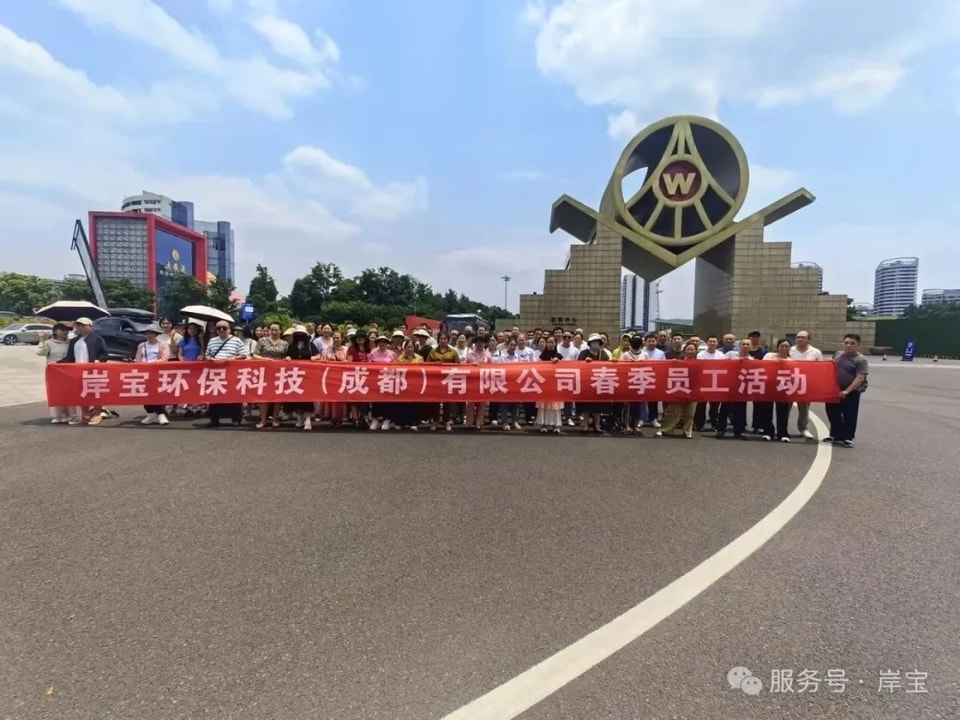
May 21–22, 2026 Stepping away from their desks, all colleagues of Anbao set off for Yibin, known as the First City Along the Yangtze River. A two-day, one-night getaway to slow down and unwind. We roamed the sprawling liquor city, listened to heroic tales, wandered along riverside ancient streets, and explored age-old time-honored towns. This journey offered stunning landscapes, profound history, mouthwatering local delicacies, and above all, constant laughter shared among one another.       We ventured into the Ten-Li Liquor City and visited the world’s largest solid-state grain brewing base. We took group photos in front of Wuliangye’s iconic bottle-shaped building. The rich mellow aroma of fermented grains filled the air, and everyone couldn’t help marveling at how stunning the integration of industry and culture could be.       On Cuiping Hill, inside Cuiping Academy, we learned about the deeds of Zhao Yiman, a heroic national heroine of the War of Resistance against Japanese Aggression. Through precious cultural relics displayed there, we deeply felt the power of faith. This hometown of the hero inspires every member of Anbao to stay true to our original aspiration and forge ahead relentlessly.       As dusk fell, we wandered through the ancient street featuring residential architecture of the Qing Dynasty and visited the branch venue of the 2026 Spring Annual Meeting. Later, we proceeded to the confluence of three rivers, where the Yangtze, Jinsha and Min Rivers converge into one. River breezes brushed our faces amid dazzling lights. Everyone pulled out their phones to capture the romantic charm of earthly mortal life.     Next morning, we toured Lizhuang, the No.1 ancient town on the Yangtze River. Flagstone roads, old roofs and anti-Japanese historical sites line the town. Yu King Palace, Tongji University former site, cultural museum and ancient opera house carry profound historical memories. Authentic local sliced pork and rice cakes made our lunch utterly satisfying.     Over these two days and one night, we set aside spreadsheets and orders for a while, yet gained something far more precious amid mountains and rivers: The old songs we sang together on the bus, the tacit understanding as we shared dishes at dinner, the peaceful moment watching sunset side by side by the river, and every bright, joyful smile captured in photos. Work means far more than merely hitting KPIs. It is about journeying through unique landscapes with a wonderful team, then bringing this joy back to our posts to march forward side by side once more. Grateful to every colleague for your enthusiastic participation. Thanks to our tour guide and driver for all your hard work. Every trip Anbao takes is for a better return to work. May we carry this ease and team synergy back into our daily work. We will keep delivering Anbao’s premium quality — thickened, leak-proof, heat-resistant and totally reliable, to embrace more challenges and brilliant achievements ahead. Team Anbao, let’s hit the road again next time! Concise Caption Version (for picture subtitles) 2D1N getaway: away from spreadsheets and orders, we found priceless treasures in nature. Chorus on the coach, warm meals shared, sunsets by the river, endless happy grins. Work is not only KPIs. Travel with great teammates, bring joy back, and strive together. Thanks to all staff, guide and driver. Every Anbao trip fuels our better comeback. Bring our relaxed bond back to work. Stick to Anbao’s reliable thick leak-proof heat-resistant quality, to take on new challenges and create more highlights. Anbao team, see you on the next trip!
Invitation to the 139th Canton Fair | Anbao Meets You in Guangzhou, Shaping a Paper-Centric Future Together!

7/1, 2026

Invitation to the 139th Canton Fair | Anbao Meets You in Guangzhou, Shaping a Paper-Centric Future Together!

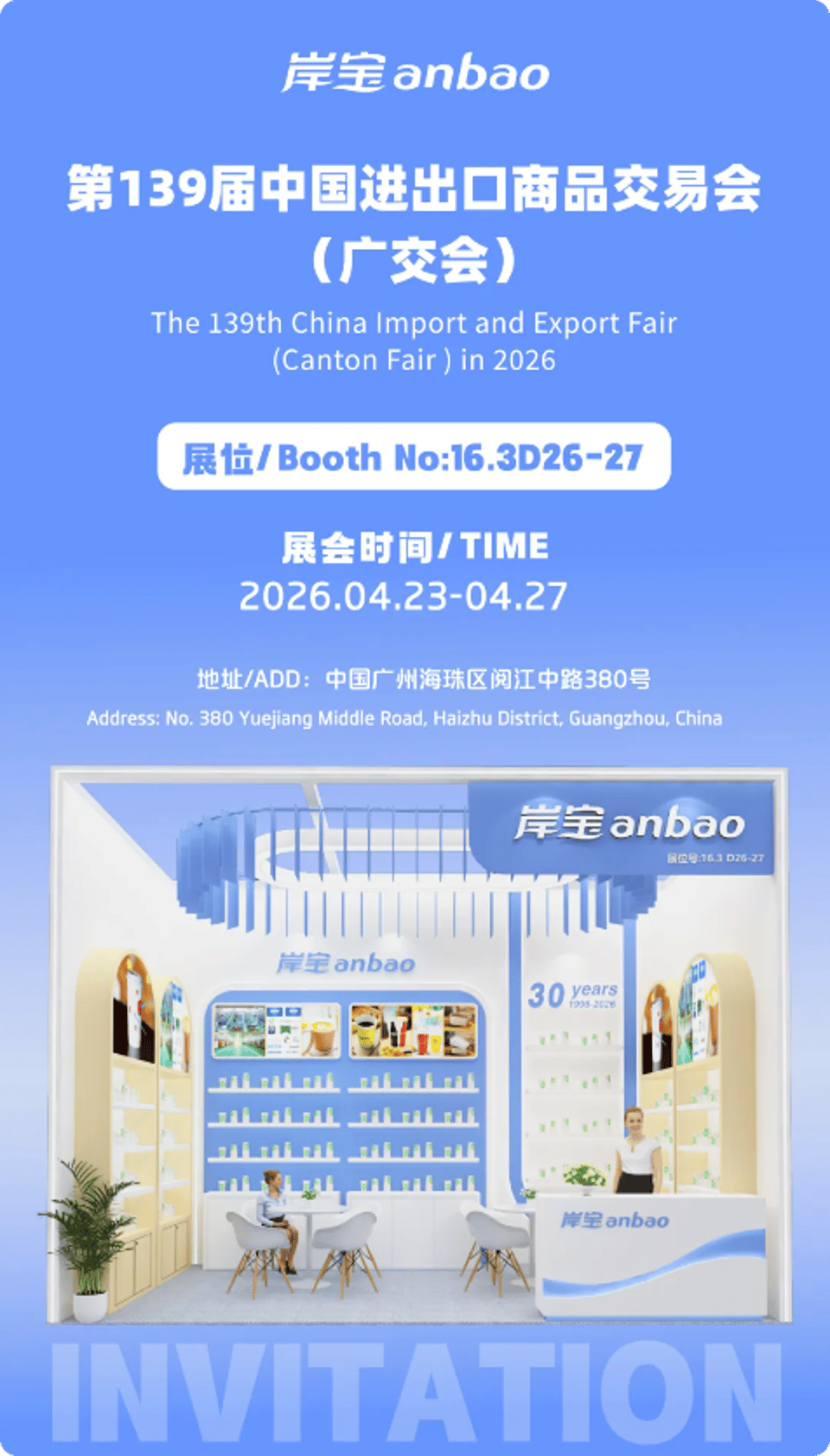
Exhibition Information 2026 · INVITATION Venue: China Import and Export Fair Complex (No.380 Yuejiang Middle Road, Haizhu District, Guangzhou City, Guangdong Province, P.R.China) Exhibition Dates Phase 2: April 23 – 27, 2026 Anbao Booth No. 16.3D26-27   Why Choose Anbao? 2026·INVITATION Reliable Quality Made of food-grade base paper, thickened for leak resistance, heat-resistant and deformation-free, certified by international food safety standards. Full Product Range Paper cups, paper bowls, paper food containers and more, covering catering, takeaway, household and supermarket scenarios. Eco-Friendly & Biodegradable We honor our green commitment by adopting biodegradable materials for most products to drive sustainable development. Customization Service Customizable logos, patterns and sizes to create exclusive branded packaging for your business. We Look Forward to Discussing with You: • New global trends in paper packaging • Customized packaging solutions • Long-term, trust-based supply chain partnerships Whether you are an overseas buyer, cross-border e-commerce seller or domestic chain brand, Anbao delivers cost-effective packaging solutions with stable delivery schedules.
Anbao Earth Day Special Campaign – Journey to Fengtongzhai for a Nature Class Under the Dove Trees

7/1, 2026

Anbao Earth Day Special Campaign – Journey to Fengtongzhai for a Nature Class Under the Dove Trees

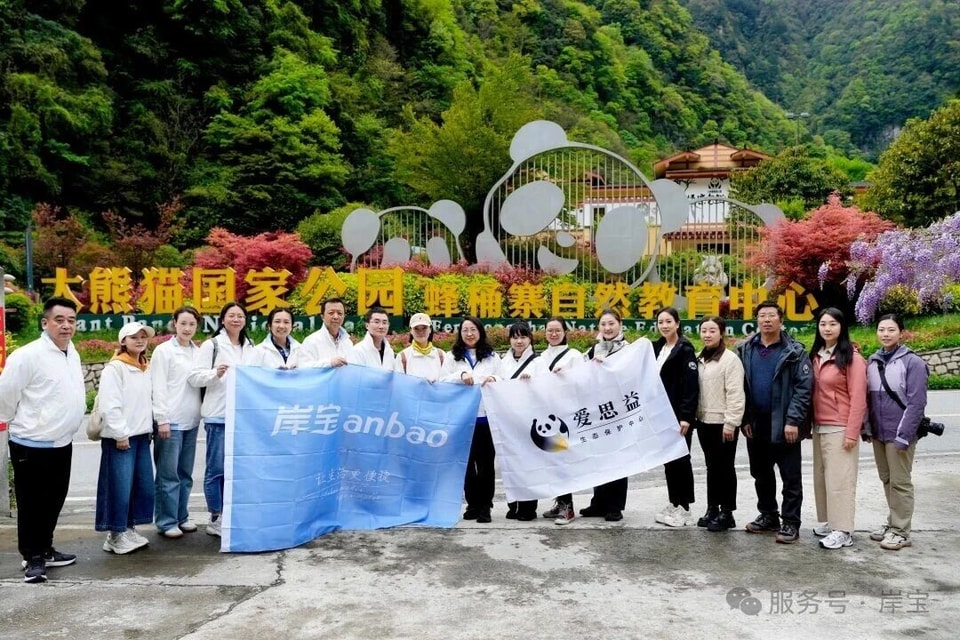
On April 22, the 57th World Earth Day, Anbao led its employees to Fengtongzhai Nature Reserve in Baoxing County for a nature education event guided by experts and reserve rangers. Centered on the philosophy of "learning through play, enjoying learning, and gaining insights from joy", the activity combined field excursions, museum tours and plant identification workshops. It allowed participants to experience the beauty of natural ecosystems up close and raise their environmental awareness.         Fengtongzhai is blanketed with blooming dove trees in April. Their white petals sway across the valleys, forming a picturesque backdrop for this Earth Day initiative. The Anbao team first toured the reserve to learn about its ecological resources and conservation efforts. Under professional instructors, they got acquainted with rare local flora and fauna, gaining a deeper understanding of the practical significance of safeguarding lucid waters and lush mountains.           Participants took part in immersive programs including "Giant Panda Museum Explorer" and "Junior Naturalist Intern". The first session explored the evolutionary history and habitats of giant pandas, showcasing the abundant wildlife and plant life of Fengtongzhai. The second focused on plant taxonomy and identification, enabling attendees to perceive the diversity and complexity of natural ecosystems through observation and hands-on practice. As a practitioner in paper packaging containers, Anbao believes genuine environmental protection stems from understanding and reverence for nature. The World Earth Day is not merely an occasion to discuss eco-friendly topics such as biodegradable materials and carbon neutrality; more importantly, it offers a precious chance to step into nature, observe its wonders and comprehend its value.          The company also extended gratitude to the specialists, educators and rangers who dedicate themselves to frontline conservation work. Anbao noted that their persistent efforts sustain mountain ecosystems, allowing more people to discover, connect with and contribute to nature conservation.     This World Earth Day, Anbao walks hand in hand with nature through tangible actions.
Plant Greenery, Build a Better Future | ANBAO Holds Arbor Day Themed Public Welfare Activity

3/24, 2026

Plant Greenery, Build a Better Future | ANBAO Holds Arbor Day Themed Public Welfare Activity

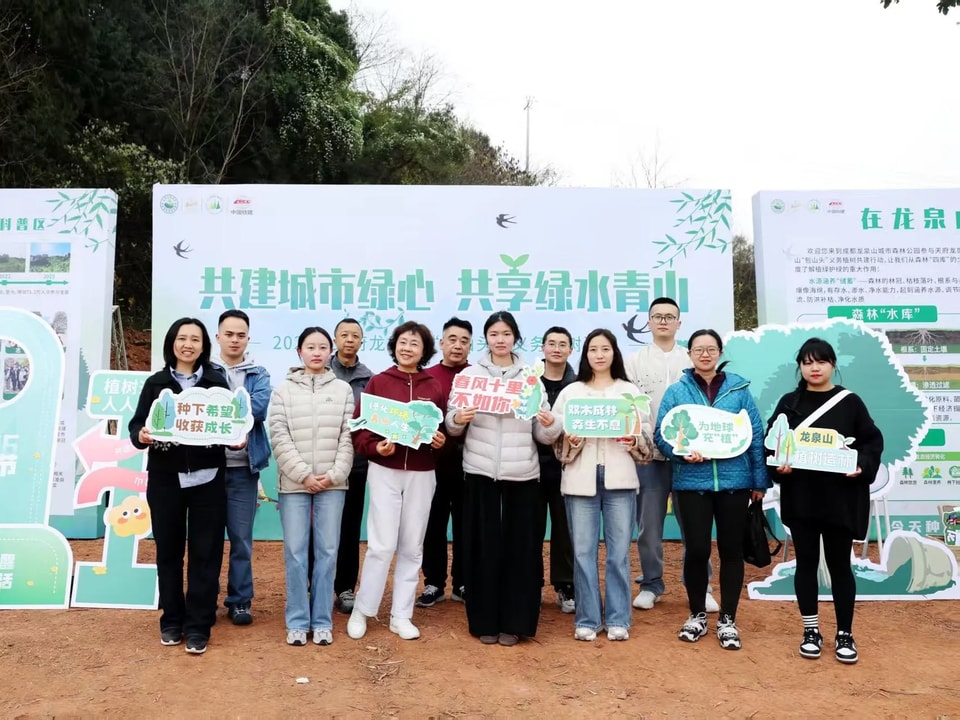
As spring returns and everything revives, it is the perfect season for tree planting. Recently, ANBAO organized all employees to carry out an Arbor Day themed public welfare tree planting activity, aiming to actively practice the green development concept, demonstrate corporate social responsibility, and create an ecologically friendly and comfortable office environment. We added new greenery to the earth and contributed to environmental protection with practical actions. The activity site was filled with warmth and high enthusiasm. Employees cooperated with each other by dividing workloads efficiently. Holding shovels, buckets and other tools, everyone shoveled soil, supported saplings, filled pits, compacted soil and watered carefully, completing every procedure meticulously. From digging holes to planting and watering, team members worked in perfect tacit agreement, planting saplings with their own hands, nurturing green hope with sweat, and making young seedlings take root firmly in the spring breeze. This Arbor Day activity not only enhanced employees' awareness of ecological environmental protection and team cohesion, but also conveyed ANBAO's firm determination to protect green mountains and clear waters and adhere to sustainable development. In the future, ANBAO will continue to practice the green and low-carbon concept, actively participate in various public welfare environmental protection actions, integrate ecological responsibility into corporate development, gather green energy with little actions, and build a better home together.    

Contact US

×

Support order samples, customization, wholesale direct, and complete payment. If the product you look for does not have corresponding customized content, pls fill out the form below to contact us, and we will reply ASAP.

Go to Contact Form →